


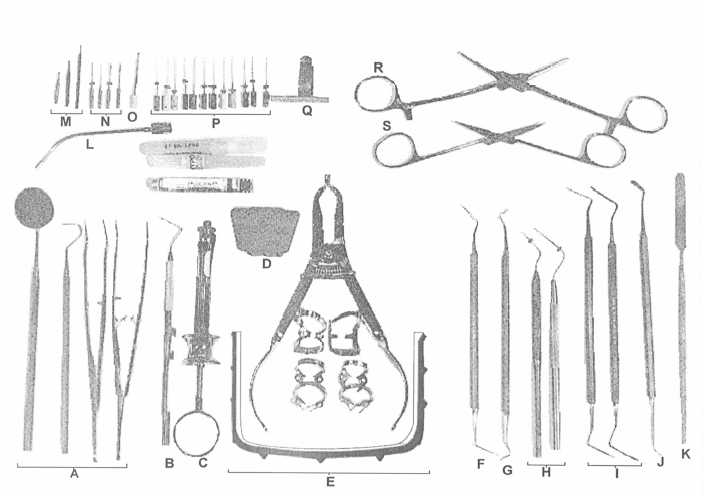
Figure 7-2. - Typical endodontic instrument tray setup.
usually tapered and pointed, with spiral cutting edges. Since the cutting edges of reamers are farther apart then those found on files, reamers are more flexible than files. This same distance between the cutting edges causes reamers to cut slower than files. Reamers can also be used to remove old, softened gutta-percha filling, or as a paste carrier to place cement near the apex.
Reamers are available in many sizes beginning with size 10 and continuing in intervals of 5 to size 60. Beginning with size 60, they are also available in intervals of 10 through size 140. The dentist may use several reamers in one operation, usually beginning with a relatively small size, then the next larger size each time the canal has been reamed to the desired diameter.
Root canal files normally are used after the broaches and reamers. The root canal files look much like those of the reamers. However, the file threads or cutting edges are much finer and closer together. Files come in two different types (H and K types) and are different in terms of physical properties, such as flexibility, resistance to fracture in rotation, and method of manufacture. The designation of "K-type"
Continue Reading